
Spotlight on Marigold (Tagetes lucida): Herb of Serenity
At A Glance
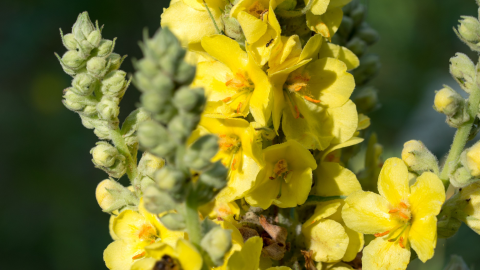
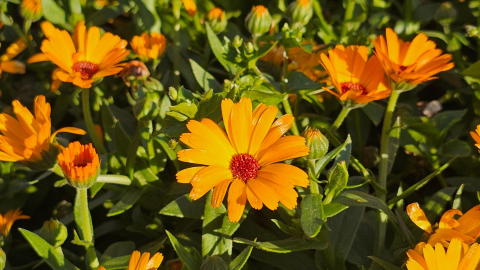
Marigold, known scientifically as Tagetes lucida, is a perennial herb originating from the hillsides and woodlands of Mexico and Central America. This versatile plant boasts several aliases, including Mexican tarragon, sweetscented marigold, Mexican mint marigold, pericon, yerbaniz, and hierbanis. In ancient Aztec culture, it symbolized protection and was dedicated to the rain god Tlaloc, often used in rituals and incense to invoke serenity and ward off negative energies. Its bright yellow flowers and aromatic leaves, reminiscent of anise and tarragon, have long been cherished for their role in traditional wellness practices. Today, Marigold is valued in plant-based wellness for its historical associations with supporting digestive harmony and fostering a calm demeanor, making it an intriguing choice for B2B clients seeking authentic, nature-inspired ingredients to enhance their product lines.
What Makes Marigold Special?
Marigold stands out in the realm of plant-based wellness due to its rich historical tapestry and scientifically intriguing composition. Traditionally revered by the Aztecs, this herb was integral to their medicinal and ceremonial practices, where it was employed in teas and infusions to promote overall well-being and balance. In Mexican folk traditions, it continues to be used for its soothing properties, often brewed into beverages that support a relaxed state of mind during daily routines. Beyond cultural heritage, Marigold aligns with Ayurvedic and other holistic systems that emphasize herbs for maintaining equilibrium in body and spirit.
From a scientific perspective, Marigold contains compounds such as coumarins, flavonoids, and essential oils that contribute to its antioxidant profile, which may support cellular health in wellness contexts. Research highlights its potential in modern applications, where extracts are studied for their role in enhancing flavor profiles while offering traditional benefits. In contemporary wellness routines, Marigold can be seamlessly integrated into daily supplements or herbal blends, providing a natural way to incorporate time-honored serenity into busy lifestyles. Its adaptability makes it special for B2B partners looking to create products that blend ancient wisdom with modern science, fostering trust through authenticity and quality.
Botanic Biosciences recognizes the unique appeal of Marigold, sourcing it responsibly to ensure purity and potency. Whether in tinctures for quick absorption or powders for versatile formulation, this ingredient offers a bridge between tradition and innovation, appealing to clients who prioritize plant-based solutions that resonate with consumers seeking holistic wellness support.
Uses of Marigold
Marigold lends itself beautifully to various product formats in the plant-based wellness sector, offering a subtle anise-like essence that enhances formulations without overpowering them. In tinctures and liquids, Marigold extracts can be infused to create concentrated drops ideal for adding to water or teas, supporting traditional digestive wellness in a convenient, portable form. For powders, the dried leaves and flowers of Marigold are ground finely, perfect for encapsulation in capsules and tablets that provide consistent dosing for daily routines focused on calm and balance.
In topicals, Marigold’s soothing properties make it a fitting addition to creams, balms, and oils, where it can contribute to skin comfort in wellness-oriented skincare lines. Beverages benefit from Marigold’s aromatic profile, infusing herbal drinks, teas, or functional waters with a refreshing note that evokes traditional serenity. For edibles and bakeables, Marigold can be incorporated into gummies, bars, or baking mixes, adding a layer of flavor that aligns with plant-based lifestyles. Smokeables may utilize Marigold in herbal blends for a traditional inhalation experience, drawing on its historical use in rituals.
Contact us today to discuss if this ingredient is suitable for your next product.
Fun Facts
- The Aztecs used Marigold, known as Yauhtli, in their sacred incense rituals, blending it with copal to honor deities and ensure safe passages.
- Marigold leaves were historically added to the Aztec chocolate drink ‘chocolatl’ for flavor enhancement, combining it with cocoa for a unique taste.
- In Mexican culture, bundles of Marigold flowers are tied into crosses and placed over doorways to protect against misfortune, a practice rooted in pre-Columbian beliefs.
- Marigold has been researched for its natural insecticidal properties, with extracts showing potential to protect crops from pests in sustainable agriculture.
- The plant’s bright yellow blooms attract pollinators like bees and butterflies, making it a biodiversity booster in gardens.
- Marigold is sometimes called ‘sweet mace’ due to its mace-like aroma, distinguishing it from other marigold species.
- In traditional folklore, Marigold was blown into the faces of individuals during ceremonies to promote a sense of peace.
Explore how Marigold can infuse your wellness products with ancient tradition and modern appeal at Botanic Biosciences. #botanicbiosciences
Informational Overview and Evaluation of Regulatory Considerations in the US
Last Updated: January 19, 2026.. This information is NOT intended as legal advice. It is for informational purposes only. Please consult a legal professional. This information is based on publicly available sources and is intended purely for informational purposes to help you understand the general regulatory environment in the United States at both federal and state levels. Regulations can change rapidly, and interpretations may vary.
We strongly recommend consulting with qualified legal counsel, such as an attorney specializing in FDA, FTC, or state-specific product laws, as well as relevant agencies like the FDA or DEA, to ensure compliance for your specific products, marketing, and distribution plans. Factors like how the products are marketed (e.g., avoiding health or disease claims) can significantly impact regulatory classification.
Summary
Marigold (Tagetes lucida) is generally considered safe for use in food and dietary supplements under U.S. regulations, with no specific federal prohibitions for its common applications as an herb. It falls under the category of botanical ingredients that are often self-affirmed as Generally Recognized as Safe (GRAS) by industry experts, particularly for culinary and wellness uses. However, like many botanicals, its classification can vary based on intended use, formulation, and marketing claims. There are no indications of DEA scheduling, as it is not classified as a controlled substance. Safety data supports moderate use, but potential allergens and interactions should be considered. Comprehensive research from FDA databases and scientific literature confirms its historical safety profile, though ongoing monitoring is advised due to evolving regulations.
Federal Regulations
At the federal level, the FDA regulates Marigold (Tagetes lucida) primarily as a dietary supplement ingredient under the Dietary Supplement Health and Education Act (DSHEA) of 1994. It is not listed as a prohibited or restricted substance in the FDA’s list of unsafe food additives or new dietary ingredients requiring premarket notification. Related species, such as Tagetes erecta, are approved as color additives exempt from certification for use in chicken feed (21 CFR 73.295), but Tagetes lucida is more commonly used as a flavoring agent or herb. The FDA’s guidance on botanical drug development applies if pursued as a drug, emphasizing quality control, sourcing, and absence of contaminants. No specific adverse event reporting mandates beyond general supplement requirements exist, but manufacturers must ensure Good Manufacturing Practices (GMP) under 21 CFR Part 111. The FTC oversees marketing to prevent deceptive claims, requiring substantiation for any wellness benefits stated.
State Regulations
State regulations largely align with federal guidelines, with no widespread bans on Marigold (Tagetes lucida). In states like California, under Proposition 65, botanicals must be screened for potential carcinogens or reproductive toxins, but Marigold does not appear on the list. Texas and Florida, where it is commonly grown, treat it as a permissible herb for sale in supplements and foods, following FDA standards. Some states, such as New York, may require additional labeling for herbal products, but no specific restrictions on Tagetes lucida were identified. Variations can occur in states with stringent cannabis or botanical laws, but Marigold is not conflated with controlled plants. Businesses should check state-specific agriculture departments for cultivation rules, as it is not federally restricted.
Safety Considerations
Safety data from sources like PubMed and traditional use indicate Marigold (Tagetes lucida) is well-tolerated in moderate amounts, with a history of safe consumption in teas and foods. Potential side effects include skin irritation from sap contact in sensitive individuals, and large quantities may cause digestive discomfort due to its essential oils. It is advised to avoid during pregnancy or lactation without professional guidance, as with many herbs. Allergic reactions are rare but possible in those sensitive to Asteraceae family plants. Toxicological studies show no significant adverse effects at typical doses, with a NOAEL of around 77 mg/kg body weight in animal models for related compounds. Quality control is crucial to avoid contaminants like pesticides, given its cultivation in various regions.
Disclaimer
Always consult with a medical professional for personalized advice. Our products are designed to complement a balanced, plant-based wellness lifestyle. These statements have not been evaluated by the Food and Drug Administration. This product is not intended to treat, cure, or prevent any disease.
References
- Tagetes lucida – Wikipedia
- Tagetes lucida – Plants for a Future
- FDA GRAS Notice on Zeaxanthin from Marigold
- FDA Summary of Color Additives
- Tagetes spp. Essential Oils and Extracts – PubMed
- Tagetes lucida – NC State Extension
- Mexican Tarragon – UIC Heritage Garden
Categories
Ingredient Spotlights, Wellness Ingredients, Botanical Herbs, Plant-Based Extracts, Herbal Traditions
Tags
marigold, tagetes lucida, mexican tarragon, plant-based supplements, wellness herbs, botanical ingredients, herbal tinctures, digestive support, calming herbs, aztec herbs
Alt Text
Marigold (Tagetes lucida) plant with yellow flowers



: Herb of Serenity)