
Spotlight on Bearberry (Arctostaphylos Uva-Ursi): Berry of Resilience
At A Glance
Bearberry, known scientifically as Arctostaphylos uva-ursi, is a resilient evergreen shrub native to the circumboreal regions of North America, Europe, and Asia. It flourishes in challenging environments such as sandy, rocky, and acidic soils found in open woodlands, coastal dunes, high montane zones, and even arctic tundra. This low-growing plant, belonging to the Ericaceae family, features leathery, glossy green leaves that turn a striking mahogany hue in winter, providing year-round visual appeal. Its delicate pinkish-white bell-shaped flowers bloom in spring, giving way to bright red, mealy berries that persist through the colder months, serving as a vital food source for wildlife. Commonly called uva ursi, kinnikinnick, bear’s grape, mountain box, mountain cranberry, or sandberry, the plant’s name reflects its close association with bears, who relish the berries, symbolizing themes of protection, endurance, and adaptation in various cultural lore. In plant-based wellness traditions, bearberry is appreciated for its astringent and antimicrobial qualities, derived from key compounds like arbutin, tannins, hydroquinones, and phenolic acids. These elements contribute to its role in supporting urinary tract harmony, promoting tissue toning, and enhancing overall vitality. Its cooling and drying energetic profile makes it suitable for routines aimed at addressing excess heat and dampness, fostering a sense of inner strength and boundary reinforcement. Historically valued by indigenous peoples and herbalists alike, bearberry embodies resilience, thriving in harsh conditions while offering gentle support for balanced wellness practices. This versatile botanical continues to inspire modern formulations, highlighting its enduring place in natural harmony pursuits.
What Makes Bearberry Special?
Bearberry distinguishes itself in the plant-based wellness landscape through its rich phytochemical composition, which includes arbutin—a glycoside that metabolizes into hydroquinone in the body—alongside tannins, phenolic acids, flavonoids, ursolic acid, gallic acid, and ellagic acid. These compounds underpin its astringent, antiseptic, and diuretic actions, interacting with mucous membranes to support urinary tract integrity and natural detoxification pathways. Scientific investigations have explored how arbutin contributes to antimicrobial effects, particularly in alkaline environments where hydroquinone inhibits bacterial growth, while tannins provide tissue-tightening benefits that aid in maintaining balance. Studies, such as those examining its antioxidant potential, indicate that bearberry’s phenolic content helps combat oxidative stress, promoting cellular resilience against environmental factors. In vitro research has demonstrated its activity against certain pathogens, aligning with its traditional applications in fostering urinary comfort. Bearberry’s anti-inflammatory properties, attributed to ursolic acid, further enhance its profile, supporting overall vitality in wellness routines. In traditional contexts, Native American tribes like the Ojibwe, Cree, Lakota, Carrier, Thompson, and Menominee integrated bearberry into their practices. The leaves were dried and used in sacred smoking blends called kinnikinnick, often mixed with tobacco or other herbs for ceremonial purposes, symbolizing spiritual protection and boundary strengthening. It was employed for urinary support, as a poultice for wounds, to address hypertension, menstrual cramps, mood changes during menopause, persistent coughs, and even as a wash for sore eyes. European herbal traditions, dating back to the 2nd century, recommended bearberry for kidney and bladder wellness, with early documentation in Welsh herbals like The Physicians of Myddfai in the 13th century, and later in the London Pharmacopoeia by 1788. In Traditional Chinese Medicine, referred to as xiong guo, bearberry clears heat and toxins, promotes tissue repair, stops bleeding, and encourages urination, aligning with its calming and anti-inflammatory attributes. Though not a core herb in Ayurveda, its astringent nature parallels uses for balancing pitta and kapha doshas in similar urinary and inflammatory contexts. Modern wellness integrates bearberry into supplements, teas, and topicals to promote urinary comfort, skin clarity, and antioxidant defense. Its diuretic qualities aid in fluid balance, while the antimicrobial aspects support microbiome harmony. In women’s wellness, it has been used to ease cycle-related discomforts and support post-childbirth recovery. For those pursuing plant-inspired lifestyles, bearberry’s adaptability makes it ideal for custom blends, enhancing resilience against daily stressors. Its evergreen nature mirrors its role in sustaining long-term vitality, making it a cherished ally in holistic approaches that emphasize natural equilibrium and environmental harmony.
Uses of Bearberry
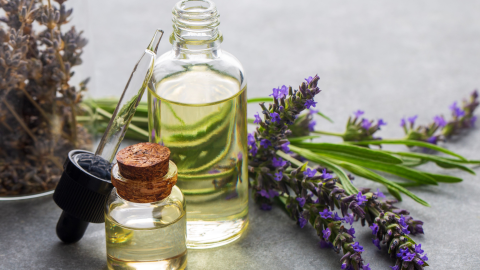
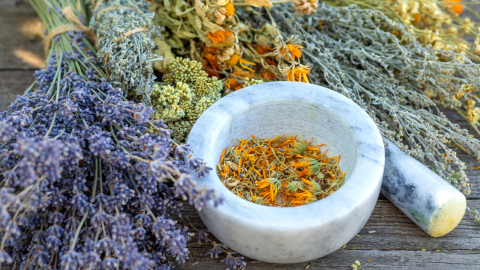
Bearberry offers versatile applications across various plant-based wellness product formats, leveraging its traditional reputation for supporting urinary and skin balance. In tinctures and liquids, concentrated extracts from the leaves are infused into alcohol or glycerin bases, allowing for easy integration into daily regimens aimed at promoting overall harmony and vitality. These liquid forms provide a potent way to incorporate bearberry’s astringent properties, ideal for those seeking targeted support in their wellness journeys. Powders, ground from dried leaves, offer flexibility for mixing into smoothies, custom herbal formulas, or encapsulated for precise dosing, enabling users to tailor their intake to personal needs while benefiting from the plant’s natural compounds. Capsules and tablets encapsulate the herb’s essence in convenient, pre-measured units, making them suitable for supplement protocols focused on maintaining natural balance without the need for preparation. For topicals, bearberry’s tissue-toning qualities shine in creams, ointments, and salves, where it contributes to promoting skin clarity and resilience, often combined with other botanicals for enhanced effects in skincare routines. In beverages, the leaves can be steeped into soothing herbal teas or added to functional drinks, supporting hydration while delivering gentle wellness benefits in a refreshing format. Edibles and bakeables incorporate bearberry into gummies, energy bars, or baked goods, providing an enjoyable method to experience its properties as part of a balanced diet. Smokeables draw from historical kinnikinnick traditions, using the dried leaves in aromatic blends that connect to cultural heritage and offer a mindful way to engage with the plant’s essence. Traditionally not recommended for prolonged inhalation due to its potent compounds, these formats allow for diverse exploration in wellness practices. Contact us today to discuss if this ingredient is suitable for your next product.
Fun Facts
- Bearberry’s Latin name, Arctostaphylos uva-ursi, translates to “bear’s grape,” highlighting how bears across northern landscapes eagerly consume its red berries as a key food source.
- In Native American cultures, bearberry, known as kinnikinnick, was a staple in sacred smoking blends, symbolizing protection and used in rituals to reinforce spiritual boundaries and resilience.
- The plant’s evergreen leaves transform into a vibrant mahogany color during winter, offering persistent visual appeal in extreme environments like arctic tundra and high mountain ranges.
- Marco Polo reportedly observed its use in China as a diuretic, underscoring its ancient recognition in cross-cultural wellness traditions dating back centuries.
- Bearberry acts as a host plant for butterflies such as the hoary elfin and brown elfin, playing a role in supporting biodiversity within its native habitats.
- Though mealy and tart to humans, the berries have been utilized in jams, preserves, and as survival food, emphasizing its significance in foraging and indigenous culinary practices.
- Archaeological evidence suggests bearberry’s use in North America spans thousands of years, with ties to early indigenous medicinal and ceremonial applications.
- The Algonquian word “kinnikinnick” means “mixture,” referring to blends of bearberry leaves with tobacco or other herbs for smoking in religious ceremonies.
- Bearberry was first documented in the 13th-century Welsh herbal “The Physicians of Myddfai” and later appeared in the London Pharmacopoeia in 1788.
- Some tribes, like the Thompson Indians, used bearberry decoctions for treating blood spitting or as eye washes, showcasing its multifaceted traditional roles.
Discover how Botanic Biosciences can elevate your wellness offerings with premium bearberry extracts—explore our range today! #botanicbiosciences
Informational Overview and Evaluation of Regulatory Considerations in the US
Last Updated: January 12, 2026.. This information is NOT intended as legal advice. It is for informational purposes only. Please consult a legal professional. This information is based on publicly available sources and is intended purely for informational purposes to help you understand the general regulatory environment in the United States at both federal and state levels. Regulations can change rapidly, and interpretations may vary.
We strongly recommend consulting with qualified legal counsel, such as an attorney specializing in FDA, FTC, or state-specific product laws, as well as relevant agencies like the FDA or DEA, to ensure compliance for your specific products, marketing, and distribution plans. Factors like how the products are marketed (e.g., avoiding health or disease claims) can significantly impact regulatory classification.
Summary
Bearberry (Arctostaphylos uva-ursi) is generally recognized as a permissible ingredient in dietary supplements under U.S. federal regulations, with no outright bans, but subject to strict safety, labeling, and manufacturing standards. It is not scheduled by the DEA, lacking psychoactive properties. However, concerns over hydroquinone content from arbutin metabolism necessitate short-term use recommendations and potential warnings. State regulations largely mirror federal guidelines, with additional conservation measures in areas where it grows natively. Overall, bearberry remains available for wellness products, provided compliance with good manufacturing practices and avoidance of unsubstantiated claims.
Federal Regulations
Under the Dietary Supplement Health and Education Act (DSHEA) of 1994, bearberry leaves are allowable in dietary supplements sold over-the-counter in forms like capsules, powders, teas, and extracts, as long as they adhere to safety and labeling requirements. The FDA considers bearberry leaves a new dietary ingredient (NDI) if introduced after October 15, 1994, requiring manufacturers to file a New Dietary Ingredient Notification (NDIN) with evidence of safety; pre-1994 products may be grandfathered. Supplements must avoid unauthorized disease claims per FTC guidelines, limiting statements to structure/function claims like supporting urinary wellness if substantiated. The FDA lists bearberry in its Poisonous Plant Database, noting general safety for appropriate use but cautioning on hydroquinone risks in high doses. In 2020, updates to 40 CFR 180.41 incorporated bearberry fresh leaves into Crop Group 25B for herb subgroups, aiding pesticide residue tolerances in herbal products. No DEA scheduling applies, as bearberry does not meet criteria for controlled substances. Compliance with Current Good Manufacturing Practices (cGMP) under 21 CFR Part 111 is required, including contaminant testing for heavy metals and microbes. Recent FDA focus includes international arbutin limits, with U.S. voluntary standards from the American Herbal Products Association (AHPA) suggesting daily arbutin intake caps at 210 mg.
State Regulations
State-level regulations for bearberry align closely with federal standards, with no identified outright prohibitions across the U.S. In California, Proposition 65 mandates warnings for potential reproductive toxins if hydroquinone levels exceed safe harbor thresholds, impacting labeling for supplements. States like New York and Texas adhere to FDA guidelines for over-the-counter sales. In regions where bearberry is native, such as Oregon and Washington, conservation rules under the U.S. Forest Service require permits for commercial wild harvesting on federal lands to prevent overexploitation and support sustainable management. Similar protections exist in areas like Colorado and New Mexico, emphasizing population regeneration. Some states, including Illinois and Michigan, list bearberry on conservation watchlists, restricting collection without permits. Overall, interstate commerce follows federal oversight, but local environmental laws add layers for sourcing raw materials.
Safety Considerations
Bearberry is considered generally safe for short-term use in dietary supplements when dosed appropriately, but safety concerns arise from arbutin converting to hydroquinone, which may pose liver or kidney risks in excessive amounts. The FDA recommends limiting use to one week or less to mitigate potential toxicity. It is contraindicated for pregnant or nursing individuals, children, and those with kidney issues due to diuretic effects. Voluntary industry guidelines, such as AHPA’s arbutin intake limits, help address these risks. Emerging discussions in 2025-2026 suggest potential FDA updates to supplement frameworks, focusing on enhanced pre-market safety reviews if new long-term use data emerges. Harvesting guidelines promote sustainable practices to avoid depleting natural populations.
Disclaimer
Always consult with a medical professional for personalized advice. Our products are designed to complement a balanced, plant-based wellness lifestyle. These statements have not been evaluated by the Food and Drug Administration. This product is not intended to treat, cure, or prevent any disease.
References
- https://www.herbalreality.com/herb/bearberry/
- https://www.whiterabbitinstituteofhealing.com/herbs/bearberry-uva-ursi/
- https://www.webmd.com/vitamins/ai/ingredientmono-350/uva-ursi
- https://en.wikipedia.org/wiki/Arctostaphylos_uva-ursi
- https://www.ncbi.nlm.nih.gov/books/NBK556475/
- https://www.fda.gov/food/dietary-supplements/information-select-dietary-supplement-ingredients-and-other-substances
- https://www.govinfo.gov/content/pkg/FR-2020-11-06/pdf/2020-23874.pdf
- https://www.fs.usda.gov/database/feis/plants/shrub/arcuva/all.html
- https://plants.usda.gov/DocumentLibrary/factsheet/pdf/fs_aruv.pdf
- https://pmc.ncbi.nlm.nih.gov/articles/PMC8707569/


: Berry of Resilience)