
Spotlight on Calendula (Calendula Officinalis): Bloom of Wellness
At A Glance
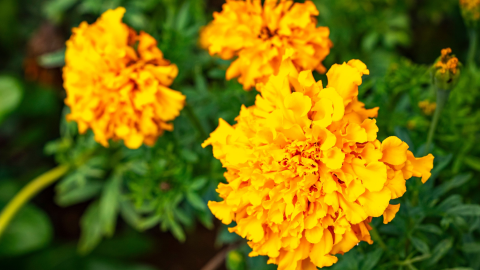
Calendula, known scientifically as Calendula officinalis, originates from southern Europe and the Mediterranean regions, with a history tracing back to ancient civilizations including Egypt, Greece, and Rome. Commonly referred to as pot marigold, Mary’s gold, English marigold, ruddles, or Scotch marigold, this vibrant flower symbolizes joy, healing, resilience, and the sun’s warmth, often associated with renewal and perseverance in various cultures. In Hinduism, it holds significance for its rejuvenating qualities, while in Christianity, it represents devotion as “Mary’s gold.” Its bright orange and yellow petals evoke solar energy, linking it to themes of vitality and constancy. For wellness enthusiasts, calendula is prized for its supportive role in skin care routines, promoting a sense of calm and balance in plant-based lifestyles. Traditionally incorporated in Ayurvedic and Unani systems, it contributes to overall harmony without making specific health assertions. This versatile herb aligns with modern wellness trends, appearing in various formats to enhance daily rituals focused on natural serenity and gentle nourishment.
What Makes Calendula Special?
Calendula stands out in the realm of plant-based wellness due to its rich composition of compounds like flavonoids, triterpenoids, and essential oils, which contribute to its reputation as a gentle supporter of skin integrity and overall balance. Scientific interest has explored its antioxidant properties, which may help in maintaining cellular harmony in wellness contexts. In traditional systems, calendula features prominently in Ayurveda, where it is valued for balancing doshas and supporting skin comfort in daily routines. Similarly, in Traditional Chinese Medicine, known as Jin Zhan Ju, it is used to clear heat and promote a sense of internal equilibrium, often in teas or topical applications. Ancient Europeans, including Romans and Greeks, incorporated it into their materia medica for its association with the sun and cyclic renewal, using it in rituals and daily wellness practices. Modern applications integrate calendula into skincare regimens, where its soothing essence aids in moisturizing and revitalizing the skin as part of a holistic approach. In contemporary wellness, it appears in supplements and topicals to foster a grounded, radiant lifestyle, drawing on its historical legacy while appealing to those seeking natural alternatives for everyday serenity. This flower’s enduring appeal lies in its ability to bridge ancient wisdom with present-day plant-based innovations, making it a staple for those pursuing balanced, nature-inspired wellness journeys.
Uses of Calendula
Calendula finds its place in a variety of plant-based wellness product formats, offering versatility for B2B clients in the wholesale market. In tinctures and liquids, calendula extracts can be infused to create concentrated solutions that support gentle wellness routines, ideal for blending into custom formulations. Powders derived from dried calendula flowers allow for easy incorporation into nutritional mixes or as additives in health-focused recipes, providing a floral note to enhance product appeal. For capsules and tablets, calendula can be encapsulated to deliver its essence in convenient, dosable forms, suitable for daily supplement lines aimed at promoting overall balance. Topicals benefit from calendula’s inclusion in creams, salves, or oils, where it contributes to soothing applications for skin care products. In beverages, calendula petals can be steeped to create herbal teas or infused waters that add a mild, earthy flavor to wellness drinks. Edibles and bakeables utilize calendula in gummies, bars, or baked goods, imparting a subtle color and botanical profile to plant-based treats. For smokeables, calendula can be blended into herbal smoking mixtures, offering a mild aromatic component. Contact us today to discuss if this ingredient is suitable for your next product.
Fun Facts
- Calendula’s name derives from the Latin “kalendae,” meaning the first day of the month, as it was believed to bloom at the start of each month, acting as a natural calendar.
- In ancient Egypt, calendula was revered for its rejuvenating properties and used in rituals to honor the sun god.
- Known as “Mary’s gold” in Christian traditions, calendula symbolized devotion to the Virgin Mary and was often placed on altars.
- Hindus associate calendula with Lord Ganesha, offering its flowers for blessings of patience and perseverance before new endeavors.
- Calendula petals are edible and were historically used as a budget-friendly substitute for saffron, adding color to foods like rice and soups.
- In folklore, carrying calendula was thought to strengthen the heart and raise spirits, linking it to magical practices for prosperity and luck.
- The flower follows the sun’s movement, opening in the morning and closing at night, earning it the nickname “herb of the sun.”
- Calendula has been cultivated since the 12th century in European gardens, spreading worldwide due to its ease of growth and vibrant appeal.
- In Aztec and Mexican cultures, calendula represents remembrance and is used in Day of the Dead altars to honor ancestors.
- Ancient Romans used calendula in ceremonies for transitions, symbolizing endings and new beginnings.
Discover how calendula can elevate your wholesale plant-based wellness offerings with Botanic Biosciences. Explore our range of high-quality ingredients and custom formulations to inspire your next innovation. #botanicbiosciences
Informational Overview and Evaluation of Regulatory Considerations in the US
Last Updated: January 14, 2026.. This information is NOT intended as legal advice. It is for informational purposes only. Please consult a legal professional. This information is based on publicly available sources and is intended purely for informational purposes to help you understand the general regulatory environment in the United States at both federal and state levels. Regulations can change rapidly, and interpretations may vary.
We strongly recommend consulting with qualified legal counsel, such as an attorney specializing in FDA, FTC, or state-specific product laws, as well as relevant agencies like the FDA or DEA, to ensure compliance for your specific products, marketing, and distribution plans. Factors like how the products are marketed (e.g., avoiding health or disease claims) can significantly impact regulatory classification.
Summary
Calendula officinalis is generally recognized as safe for use in foods, cosmetics, and dietary supplements under U.S. regulations, with no major restrictions at the federal level when used appropriately. It is not classified as a controlled substance by the DEA. Safety considerations focus on proper usage, as it is well-tolerated, but potential allergic reactions in sensitive individuals should be noted. State regulations largely align with federal guidelines, though variations may exist in labeling and marketing requirements.
Federal Regulations
At the federal level, the FDA considers calendula “generally recognized as safe” (GRAS) for use as a food seasoning or flavoring under 21 CFR 182.10. In cosmetics, extracts and derivatives like Calendula Officinalis Extract are deemed safe as used, per the Cosmetic Ingredient Review and FDA Code of Federal Regulations. For dietary supplements, calendula falls under the Dietary Supplement Health and Education Act (DSHEA), allowing its sale without pre-market approval, provided no unauthorized claims are made. The FDA regulates labeling to prevent misleading statements, and products must comply with good manufacturing practices (GMPs). Calendula is not listed as a scheduled substance by the DEA, as it lacks psychoactive properties. In botanical drug development, the FDA provides guidance for products intended as drugs, requiring IND applications for clinical studies, but this does not apply to supplements or cosmetics.
State Regulations
State regulations generally mirror federal standards, with no widespread bans on calendula. Some states, like California under Proposition 65, may require warnings if contaminants exceed thresholds, but calendula itself is not listed. In states with robust herbal markets, such as New York or Texas, compliance with federal GMPs is emphasized, and local health departments may oversee retail sales. Variations occur in cannabis-related products if calendula is blended with CBD, falling under state-specific hemp laws. Overall, states defer to FDA for safety assessments, but businesses should check for any local restrictions on herbal products.
Safety Considerations
Calendula is considered safe for topical and oral use in moderation, with minimal reports of adverse effects. Animal studies show low skin irritation, no sensitization, and minimal ocular irritation. It may cause allergic reactions in those sensitive to Asteraceae family plants, like ragweed. For human consumption, it is GRAS, but excessive use could lead to mild digestive discomfort. In topical applications, it supports skin wellness without significant risks. Pregnant or breastfeeding individuals should consult professionals, though no major contraindications exist. Quality control is key to avoid contaminants, aligning with FDA GMPs for supplements and cosmetics.
Disclaimer
Always consult with a medical professional for personalized advice. Our products are designed to complement a balanced, plant-based wellness lifestyle. These statements have not been evaluated by the Food and Drug Administration. This product is not intended to treat, cure, or prevent any disease.
References
- https://www.ahpa.org/herbs_in_history_calendula
- https://en.wikipedia.org/wiki/Calendula_officinalis
- https://www.wortsandcunning.com/blog/calendula-plant-profile
- https://www.whiterabbitinstituteofhealing.com/herbs/pot-marigold
- https://www.herbalreality.com/herb/calendula
- https://chestnutherbs.com/uses-and-benefits-of-calendula
- https://www.webmd.com/vitamins/ai/ingredientmono-235/calendula
- https://www.drugs.com/npp/calendula.html
- https://pmc.ncbi.nlm.nih.gov/articles/PMC10142266
- https://www.healthline.com/nutrition/calendula-tea
- https://thecrystalapothecaryco.com/calendula-flower-herbs
- https://renaissance.aurosociety.org/the-little-clock-calendula-herb-of-the-sun
- https://www.herbrally.com/monographs/calendula-sp
- https://www.cosmeticsinfo.org/ingredient/calendula-officinalis-extract
- https://pubchem.ncbi.nlm.nih.gov/compound/Calendula%20Officinalis%20Flower
- https://pubmed.ncbi.nlm.nih.gov/11558637
- https://www.fda.gov/files/drugs/published/Botanical-Drug-Development–Guidance-for-Industry.pdf



: Bloom of Wellness)