Comprehensive List of Fragrance Ingredients
In the dynamic landscape of wellness innovation, where consumers crave authentic, nature-inspired experiences that nourish both body and spirit, Botanic Biosciences stands as your premier partner in crafting extraordinary plant-sourced products. As a dedicated B2C manufacturer specializing in botanical fragrances, we harness the purest essences from time-honored traditions like Ayurveda and Traditional Chinese Medicine—think the grounding warmth of sandalwood, the exotic allure of jasmine, and the invigorating freshness of citrus terpenes—to elevate your skincare, haircare, or holistic lines. Our meticulously sourced ingredients and versatile formats not only deliver captivating scents but also infuse your offerings with therapeutic benefits, setting your brand apart in a market hungry for sustainability and sensory delight.
Versatile Formats for Seamless Product Development
At Botanic Biosciences, we understand that innovation thrives on flexibility. That’s why our botanical fragrances are available in a variety of formats, allowing you to effortlessly incorporate them into your wellness lineup. Drawing from our expertise in plant-based formulations, here are the key formats we’ve developed to suit diverse applications:
- Mists and Sprays: Lightweight, aerosol-free formats for on-the-go refreshers, incorporating green tea and aloe for hydration with a subtle botanical aroma.
- Powders and Solids: Dehydrated formats for balms or powders, using ingredients like passionflower and red clover for solid perfumes or wellness bars.
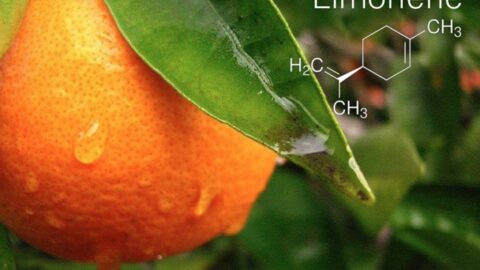
- Emulsions and Creams: Water-in-oil or oil-in-water bases for skincare like hydrating moisturizers or eye serums, where terpenes like Limonene enhance absorption and provide a luxurious feel.
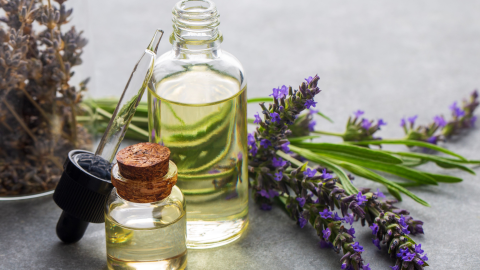
- Essential Oil and Extract Blends: Concentrated liquids perfect for direct addition to serums, moisturizers, or tinctures. For example, our citrus-terpene mix can transform a basic face mist into a refreshing, antioxidant-packed spray.
These formats are designed for scalability, whether you’re producing small batches for niche markets or large runs for retail. Our team handles everything from formulation to compliance, ensuring your products meet clean beauty standards and appeal to health-focused consumers.
Terpenes and Aromatic Compounds
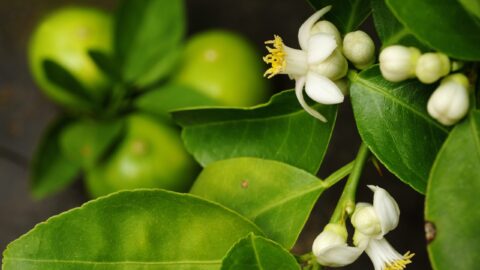
- Limonene: Sourced from citrus peels like lemon (Citrus limon) and orange (Citrus sinensis), this vibrant terpene delivers a fresh, zesty aroma with uplifting properties that enhance mood and freshness in citrus-based fragrances.
- Linalool: Extracted from lavender, rose, and chamomile, linalool offers a soothing floral scent known for its calming effects in aromatherapy blends for relaxation.
- Geraniol: Derived from geranium, rose oils, and citronella, this compound imparts a sweet, rosy fragrance while providing balancing benefits for harmonious scent compositions.
- Pinene: From pine needles and rosemary, pinene brings an invigorating, forest-fresh note with clarifying qualities for energizing ambient fragrances.
- Citronellol: Sourced from citronella and geranium, it adds a clean, lemony undertone with purifying properties to promote clarity in wellness scents.
- Hexyl Cinnamal: Inspired by cinnamon bark, this warm, spicy essence enhances depth in fragrances, evoking comfort in spiced aromatic profiles.
- Linalyl Acetate: From clary sage and lavender, it contributes a sweet, herbaceous profile that aids in creating relaxing and layered floral accords.
- Citral: Extracted from lemongrass and citrus oils like lemon peel, this terpene provides a sharp, lemony scent with refreshing benefits for vibrant fragrance formulations.
- Terpineol: Sourced from pine and lilac, terpineol offers a lilac-like floral aroma with freshening qualities for uplifting perfume notes.
- Geranyl Acetate: Derived from geranium and citronella, it imparts a fruity, rose-like note with harmonizing effects for emotional balance in scents.
- Hydroxycitronellal: From synthetic mimicry of citronella, this aldehyde delivers a fresh, lily-of-the-valley scent with mild soothing qualities for gentle fragrances.
- Acetylcedrene: Sourced from cedarwood, this woody terpene adds a rich, balsamic depth with grounding benefits for meditative aroma blends.
- Tetramethyl Acetyloctahydronaphthalenes: A wood-like compound mimicking sandalwood, it provides a creamy, musky aroma with long-lasting fixation in natural-inspired scents.
Ayurvedic Inspired Ingredients
- Ashwagandha (Withania somnifera): Rooted in Ayurvedic tradition from the plant root, this herb offers an earthy, herbal aroma with grounding properties to promote balance in wellness fragrances.
- Tulsi (Holy Basil, Ocimum sanctum, including Purple Tulsi): A sacred Ayurvedic herb, tulsi delivers a spicy, clove-like scent with clarifying benefits for invigorating aromatic experiences.
- Brahmi (Bacopa monnieri): Derived from Ayurvedic practices, brahmi imparts a mild, green herbaceous note with focusing effects for mental clarity in scents.
- Turmeric (Curcuma longa, including Kasturi Haldi): From the root in Ayurvedic traditions, turmeric provides a warm, earthy-spicy fragrance with purifying qualities for skin-centric aroma blends.
- Red Sandalwood: Sourced from Pterocarpus santalinus wood, this Ayurvedic ingredient offers a subtle, woody-sweet aroma with soothing properties for grounding incense and perfumes.
- White Sandalwood (Santalum album): Extracted from the heartwood in Ayurvedic use, it delivers a creamy, milky-woody scent with calming benefits for meditative fragrances.
- Clove (powder or oil): From Syzygium aromaticum buds in Ayurvedic contexts, clove imparts a warm, spicy-eugenol aroma with warming effects for bold scent profiles.
- Jasmine (flowers or oil, Jasminum grandiflorum): A key Ayurvedic floral, jasmine provides an exotic, indolic-sweet fragrance with uplifting qualities for romantic wellness aromas.
- Nag Champa: A traditional Ayurvedic blend often including champa and sandalwood, it offers a rich, earthy-floral incense scent with harmonizing benefits for ambient relaxation.
- Champaca (Magnolia champaca, including Champa, Michelia champaca, Chenpagam): From the flowers in Ayurvedic incense, champaca delivers a deep, apricot-like floral aroma with euphoric properties for luxurious perfumes.
- Halmaddi (Ailanthus malabarica tree resin): An Ayurvedic resin used in incense, halmaddi contributes a soft, honey-like binding scent with smooth, diffusive qualities for natural fragrance bases.
- Musta (Nut Grass, Cyperus rotundus): From the roots in Ayurveda, musta imparts a dry, earthy-woody aroma with cooling benefits for balanced scent formulations.
- Sri (Piney Tallow Resin): Sourced from Ayurvedic resins like Vateria indica, it offers a piney, balsamic fragrance with resinous depth for grounding aromas.
- Sarja (Sal Tree Resin, Shorea robusta): An Ayurvedic resin, sarja provides a mild, woody-balsamic scent with stabilizing properties for incense blends.
- Nakha (Shellac/Operculum): From lac insect secretions in Ayurvedic use, nakha adds a subtle, amber-like note with fixative qualities for long-lasting fragrances.
- Bdellium (Guggul Resin, Commiphora wightii): Used in Ayurvedic incense, bdellium delivers a warm, balsamic-myrrh-like aroma with purifying effects for spiritual scents.
- Patra (Cassia Leaf): From Cinnamomum cassia leaves in Ayurveda, patra imparts a spicy, cinnamon-green fragrance with invigorating benefits.
- Turuska (Frankincense, Boswellia sacra): An Ayurvedic resin, turuska offers a fresh, piney-citrus scent with clarifying properties for meditative aromas.
- Vala (Vetiver, Vetiveria zizanioides, including Nalada): From the roots in Ayurvedic traditions, vala provides a deep, earthy-woody aroma with cooling and grounding effects.
- Tagara (Valerian, Valeriana wallichii): Sourced from roots in Ayurveda, tagara imparts a musky, herbal scent with relaxing qualities for sleep-supporting fragrances.
- Priyanguka (Mustard Seed, Brassica nigra): Used in Ayurvedic powders, priyanguka adds a pungent, spicy note with stimulating benefits for energetic scents.
- Manjistha (Madder Root, Rubia cordifolia): From the roots in Ayurveda, manjistha offers a subtle, earthy-sweet aroma with purifying properties for skin fragrance blends.
- Vyaghranakha (Tiger Claw Herb, Capparis zeylanica): An Ayurvedic herb, it delivers a mild, herbal-spicy scent with invigorating effects for wellness aromas.
- Sukti (Pearl Oyster): Incorporated in Ayurvedic formulations, sukti imparts a subtle, marine-fresh note with luminous qualities for exotic perfumes.
- Kushta (Costus Root, Saussurea costus): From the roots in Ayurveda, kushta provides a warm, musky-woody fragrance with exotic depth for oriental scents.
- Katuka (Picrorhiza, Picrorhiza kurroa): An Ayurvedic root, katuka offers a bitter-herbal aroma with clarifying benefits for fresh fragrance notes.
- Hingulika (Cinnabar): Used sparingly in Ayurvedic incense, hingulika adds a subtle, metallic-sulfuric undertone with transformative properties for complex blends.
- Agaru (Agarwood/Oud, Aquilaria sinensis): A prized Ayurvedic wood, agaru delivers a rich, smoky-woody scent with meditative benefits for high-end perfumes.
- Taila Parnika (Eucalyptus/Mint): From eucalyptus or mint leaves in Ayurvedic use, it imparts a cooling, camphoraceous aroma with refreshing qualities.
- Kumkuma (Saffron, Crocus sativus): Sourced from stigmas in Ayurveda, kumkuma offers a luxurious, hay-like spicy scent with warming effects for opulent fragrances.
- Jatamamsi (Spikenard, Nardostachys jatamansi, including Jadamanji): From the roots in Ayurvedic traditions, jatamamsi provides a deep, musky-earthy aroma with calming properties.
- Camphor (Cinnamomum camphora, including Edible Camphor/Pachakarpooram): Crystallized from wood in Ayurveda, camphor imparts a sharp, cooling-minty scent with purifying benefits for invigorating aromas.
- Neem (Azadirachta indica): From leaves and bark in Ayurvedic skincare fragrances, neem delivers a bitter, green-herbal aroma with cleansing qualities.
- Nutmeg/Mace (Myristica fragrans, including Jathi Kostam): Sourced from the seed and aril in Ayurveda, nutmeg offers a warm, spicy-woody fragrance with comforting effects.
- Betel Leaf (Piper betle): Used in Ayurvedic aromatic blends, betel leaf imparts a fresh, peppery-clove scent with stimulating properties.
- Sarsaparilla (Nannari, Hemidesmus indicus): From the roots in Ayurvedic use, sarsaparilla provides a sweet, vanilla-like woody aroma with soothing benefits.
- Lotus Stems (Nelumbo nucifera): Incorporated in Ayurvedic fragrances, lotus stems offer a subtle, aquatic-floral note with harmonizing qualities.
- Bermuda Grass (Arigam Pullu, Cynodon dactylon): From the grass in Ayurvedic powders, it imparts a fresh, green-herbal scent with cooling effects for natural blends.
- Multani Mitti (Fuller’s Earth): A clay used in scented Ayurvedic masks, multani mitti adds an earthy, mineral note with absorbent qualities for fragrance carriers.
Traditional Chinese Medicine (TCM) Inspired Ingredients
- Ginseng (Panax ginseng): Sourced from roots in TCM, ginseng offers a subtle, earthy-herbal aroma with energizing properties for focused wellness scents.
- Astragalus (Astragalus membranaceus): From the roots in TCM, astragalus contributes a mild, sweet-herbal scent with supportive benefits for balanced fragrances.
- Goji Berries (Lycium barbarum): Derived from fruits in TCM, goji imparts a subtle, tangy-fruity note with nourishing qualities for vibrant aroma profiles.
- Licorice Root (Glycyrrhiza glabra): From the roots in TCM, licorice provides a sweet, anise-like fragrance with harmonizing effects for blended scents.
- Angelica Root (Angelica sinensis): Used in TCM aromatics, angelica root delivers a musky, celery-like herbal aroma with grounding benefits.
- Honeysuckle (Lonicera japonica): From the flowers in TCM, honeysuckle offers a sweet, floral-honey scent with cooling properties for refreshing perfumes.
- Mugwort (Artemisia vulgaris): Sourced from leaves in TCM, mugwort imparts a bitter, herbaceous aroma with clarifying effects for meditative blends.
- Osmanthus (Osmanthus fragrans): A TCM floral, osmanthus provides an apricot-peach-like sweet fragrance with uplifting qualities for elegant scents.
- Peony (Paeonia lactiflora): From the roots and flowers in TCM, peony delivers a soft, rosy-floral note with balancing benefits for emotional wellness aromas.
Other Botanical and Wellness Fragrances
- Chamomilla Recutita (Matricaria) Flower Extract (Chamomile, including Roman Chamomile, Anthemis nobilis): Sourced from flowers, this extract delivers a soft, apple-like floral aroma with gentle soothing properties for relaxation scents.
- Citrus Aurantium Bergamia Peel Oil (Bergamot, Citrus bergamia): Extracted from peels, it offers a light, citrus-floral scent with mood-elevating benefits for fresh fragrances.
- Sweet Orange Essential Oil (Citrus sinensis, including Orange Peel): From peels, this oil provides a bright, juicy orange aroma with uplifting qualities for emotional well-being.
- Damiana (Turnera diffusa*: Sourced from leaves, damiana imparts a minty, herbal-tea-like scent with mood-enhancing properties for sensual aromas.
- Roses (Rosa damascena, including petals or oil): Derived from petals, rose offers a rich, romantic floral fragrance with heart-opening benefits for balanced scents.
- Passionflower (Passiflora incarnata, including Passion Flower): From the plant, it contributes a subtle, exotic floral note with calming effects for stress-relief fragrances.
- Red Clover (Trifolium pratense): Sourced from flowers, red clover provides a mild, honey-sweet aroma with harmonizing properties for wellness blends.
- Blue Lotus (Nymphaea caerulea): From the flowers, blue lotus delivers a sweet, aquatic-floral scent with euphoric benefits for meditative practices.
- Butterfly Pea (Clitoria ternatea): Derived from flowers, it imparts a subtle, earthy-floral note with color-enhancing properties for visual aroma appeal.
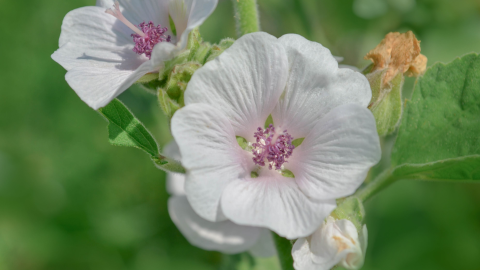
- Marshmallow Root (Althaea officinalis): From the roots, marshmallow root offers a mild, sweet-mucilaginous aroma with soothing effects for gentle fragrances.
- Soursop (Annona muricata): Sourced from fruit-inspired extracts, soursop provides a tropical, pineapple-like fragrance with calming qualities for exotic scents.
- Fennel Seed (Foeniculum vulgare): From the seeds, fennel adds a sweet, licorice-anise scent with freshening benefits for herbal aromas.
- Jujube Date (Ziziphus jujuba): Derived from fruits in wellness contexts, jujube imparts a mild, sweet-fruity note with calming properties.
- Monk Fruit (Siraitia grosvenorii): From the fruit, monk fruit offers a natural, subtle sweet profile for enhancing fragrance blends without overpowering notes.
- Stevia (Stevia rebaudiana): Sourced from leaves, stevia provides a subtle, herbal-sweet aroma for natural sweetening in scent compositions.
- Plumeria (Frangipani): From the flowers, plumeria delivers a creamy, tropical-floral scent with exotic, relaxing benefits for paradise-inspired perfumes.
- Vanilla (Vanilla planifolia): Extracted from pods, vanilla imparts a rich, sweet-gourmand aroma with comforting properties for warm fragrance bases.
- Cardamom (Elettaria cardamomum): From the pods, cardamom offers a spicy, eucalyptus-like green scent with invigorating effects for spiced blends.
- Cinnamon (Cinnamomum cassia): Sourced from bark, cinnamon provides a warm, spicy-sweet fragrance with warming qualities for cozy aromas.
- Pine/Cedar Resins (including Pine (Pinus sylvestris), Cedarwood (Cedrus atlantica)): From tree resins, these impart a fresh, woody-balsamic scent with clarifying benefits for forest-inspired fragrances.
- Myrrh (Commiphora myrrha): Resin from the tree, myrrh delivers a warm, balsamic-smoky aroma with grounding properties for ancient-style scents.
- Gooseberry: From Amla (Phyllanthus emblica) in wellness use, gooseberry offers a tart, green-fruity note with refreshing qualities for vibrant blends.
- Coriander (Coriandrum sativum): From seeds or leaves, coriander imparts a citrusy, spicy-herbal scent with balancing effects for fresh fragrances.
- Cumin (Cuminum cyminum): Sourced from seeds, cumin provides a warm, earthy-spicy aroma with exotic depth for oriental perfumes.
- Gram Flour (Besan, Chickpea Flour): Used in scented powders, gram flour adds a nutty, mild aroma with texturizing qualities for dry fragrance carriers.
- Green Gram (Vigna radiata): From the beans in powder form, green gram imparts a subtle, earthy-green note with soothing properties for natural blends.
- Ageratum (Ageratum conyzoides): From the leaves and flowers, ageratum offers a sweet, coumarin-like herbal scent with hay-like benefits for meadow fragrances.
- Ajwain (Trachyspermum ammi): Sourced from seeds, ajwain delivers a thyme-like, pungent aroma with stimulating qualities for herbal scents.
- Ambrette (Hibiscus abelmoschus): From the seeds, ambrette provides a musky, fruity-amber scent with fixative properties for long-lasting perfumes.
- Ambergris (plant mimics): Synthetic or plant-based mimics offer a marine, animalic-amber aroma with diffusive benefits for oceanic fragrances.
- Benzoin (Styrax benzoin): Resin from the tree, benzoin imparts a vanilla-like, balsamic-sweet scent with warming effects for resinous blends.
- Clary Sage (Salvia sclarea): From the leaves and flowers, clary sage offers a herbaceous, nutty-floral aroma with relaxing properties.
- Cypress (Cupressus sempervirens): Sourced from twigs and cones, cypress provides a fresh, woody-piney scent with clarifying benefits.
- Eucalyptus (Eucalyptus globulus): From the leaves, eucalyptus delivers a camphoraceous, cooling aroma with refreshing qualities for invigorating scents.
- Geranium (Pelargonium graveolens): Extracted from leaves, geranium imparts a rosy, minty-green fragrance with balancing effects.
- Ginger (Zingiber officinale): From the rhizome, ginger offers a sharp, spicy-lemony scent with warming properties for energetic blends.
- Grapefruit (Citrus paradisi): Sourced from peels, grapefruit provides a tangy, citrus-fresh aroma with uplifting benefits.
- Iris (Iris florentina): From the rhizomes, iris delivers a powdery, violet-like woody scent with elegant, fixative qualities.
- Juniper (Juniperus communis): From berries and twigs, juniper imparts a gin-like, piney-woody fragrance with purifying effects.
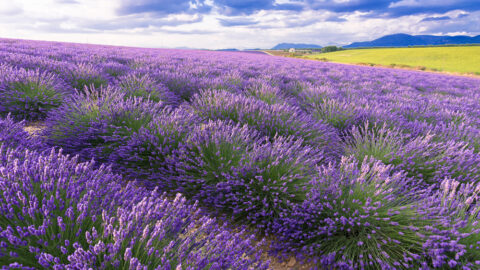
- Lavender (Lavandula angustifolia): Sourced from flowers, lavender offers a clean, herbaceous-floral aroma with calming properties.
- Lemon (Citrus limon): Extracted from peels, lemon provides a bright, zesty-citrus scent with refreshing qualities.
- Lemongrass (Cymbopogon citratus): From the grass, lemongrass delivers a citrusy, grassy-lemon aroma with invigorating benefits.
- Lotus (Nelumbo nucifera): From flowers and stems, lotus imparts a soft, watery-floral note with serene, harmonizing properties.
- Mango Wood: Sourced from Mangifera indica wood, mango wood offers a subtle, fruity-woody aroma with exotic warmth.
- Musk (synthetic or plant mimics): Mimics provide a soft, animalic-skin-like scent with diffusive, sensual qualities for base notes.
- Neroli (Citrus aurantium): From orange blossoms, neroli delivers a sweet, floral-citrus fragrance with soothing effects.
- Oakmoss (Evernia prunastri): From lichen, oakmoss imparts a rich, earthy-mossy aroma with chypre-like depth.
- Patchouli (Pogostemon cablin): Sourced from leaves, patchouli offers a deep, earthy-musky scent with grounding benefits.
- Peppermint (Mentha piperita): From leaves, peppermint provides a cooling, minty-fresh aroma with stimulating properties.
- Rosemary (Rosmarinus officinalis): Extracted from leaves, rosemary imparts a herbaceous, camphoraceous scent with clarifying effects.
- Sage (Salvia officinalis): From leaves, sage delivers a warm, herbal-aromatic fragrance with purifying qualities.
- Tea Tree (Melaleuca alternifolia): Sourced from leaves, tea tree offers a medicinal, fresh-camphor scent with cleansing benefits.
- Tonka Bean (Dipteryx odorata): From the seeds, tonka bean provides a sweet, hay-almond aroma with coumarin-like warmth.
- Tuberose (Polianthes tuberosa): From the flowers, tuberose imparts a heady, creamy-floral scent with intoxicating properties.
- Violet (Viola odorata): Sourced from leaves and flowers, violet offers a powdery, green-floral aroma with delicate sweetness.
- Ylang-Ylang (Cananga odorata): From the flowers, ylang-ylang delivers a rich, jasmine-like exotic fragrance with relaxing benefits.
Ready to infuse your wellness creations with the transformative power of nature? Partner with Botanic Biosciences today to unlock custom botanical fragrance solutions tailored to your vision. Reach out to our expert team at info@botanicbiosciences.com or visit botanicbiosciences.com to schedule a consultation. Let’s collaborate to bring your innovative products to life and captivate your customers like never before.